
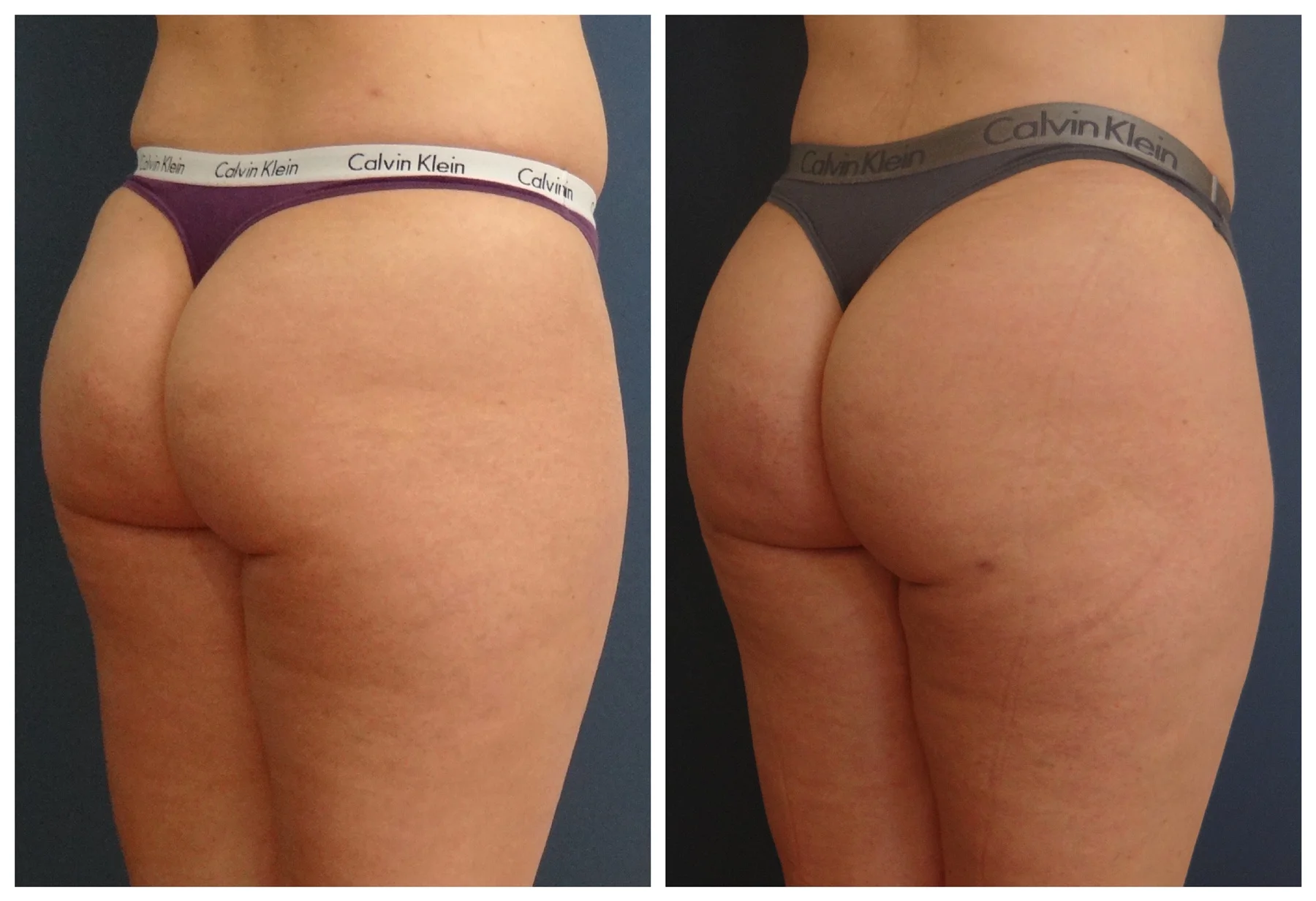
You may have found yourself wondering how weight changes affect buttock augmentation results because even small shifts in daily habits can alter how your body holds shape. This question often appears months after surgery when life settles back into normal rhythms and old patterns slowly return. According to our editor’s research, many individuals notice early differences in contour while dressing or exercising before connecting them to weight changes. These experiences make weight fluctuations an important part of the long-term conversation around body contouring. Understanding what happens helps you feel more prepared and grounded.
Why does weight affect surgical results?
Weight influences results because natural fat behaves differently than implanted volume. According to our editor’s reviews, buttock augmentation using fat or fillers interacts uniquely with your body’s natural composition. Fat expands and shrinks with weight changes. Fillers maintain stable volume regardless. This difference shapes how overall contour responds. People often notice subtle changes when their weight shifts. These changes reflect biology rather than surgical issues.
What happens when you gain weight?
Gaining weight increases fat volume across your natural tissue layers. According to our editor’s research, this growth affects untreated and treated areas differently. Natural fat becomes fuller in genetically preferred regions. Augmented areas may also appear rounder if grafted fat responds to weight gain. Many individuals describe a more pronounced curve after gaining weight. Others notice fuller hips or thighs instead. These differences depend on genetics. Weight gain creates predictable but varied changes.
How does weight gain affect fat transfer results?
Fat transfer responds strongly to weight fluctuations because grafted fat behaves like natural fat. According to our editor’s reviews, gaining weight usually makes the buttocks look fuller. This happens because the graft survives as living fat tissue. People often enjoy the increased volume. However, excessive gain sometimes disrupts proportions. Balancing weight helps preserve intended shape. The result remains natural but influenced by lifestyle.
Why does weight gain affect filler results differently?
Fillers do not expand with weight shifts. According to our editor’s observations, the injected volume stays stable while surrounding fat increases. This makes the filler act like a contour anchor. Some people describe enhanced softness around the treated area. Others notice subtle blending rather than dramatic change. Weight gain complements filler but never alters its structure. The effect remains predictable and balanced.
What happens to overall symmetry during weight gain?
Symmetry may shift depending on where fat accumulates naturally. According to our editor’s research, most people store fat preferentially in the hips or lower back. These shifts influence how the buttocks appear in relation to surrounding areas. Some individuals feel their shape becomes rounder on one side. Others notice no major change. Surgery preserves structure but weight influences balance. Symmetry changes remain gentle unless weight gain is significant.
How does weight loss affect surgical results?
Weight loss reduces natural fat volume. According to our editor’s reviews, this change becomes noticeable in the hips, thighs and lower back first. Fat transfer results may also appear smaller if grafted fat shrinks. People often describe a leaner contour during weight loss. The augmented region may look more athletic. Excessive loss sometimes reduces softness. Weight loss influences contour but not structural integrity.
Why do fat transfer results shrink with weight loss?
Grafted fat remains active living tissue. According to our editor’s research, it responds to calorie deficits like other fat cells. Losing weight decreases fat cell size but not cell count. This reduction makes the buttocks look slimmer. People who prefer defined shapes often enjoy this look. However, dramatic loss may reduce earlier fullness. Balancing goals helps maintain satisfaction.
How does weight loss affect filler-based augmentation?
Fillers do not shrink during weight loss. According to our editor’s reviews, the injected volume remains stable while surrounding fat diminishes. This can make the treated area appear more defined. Some individuals describe a firmer or more sculpted look. Weight loss sharpens contour lines. The filler maintains shape even when overall volume decreases. This creates a consistent silhouette.
What changes in clothing fit after weight shifts?
Clothing fit often becomes the first sign of subtle contour changes. According to our editor’s observations, weight gain enhances pressure around waistbands and seams. Weight loss creates looseness around the hips. People frequently notice these differences before seeing visual changes in the mirror. The treated area interacts differently with fabric depending on firmness. Clothing highlights early shifts gracefully.
Why do some people notice shape changes faster?
Sensitivity to change varies from person to person. According to our editor’s research, individuals who observe their body closely during exercise notice subtle shifts quickly. Others see changes only through photos. Tissue density, hydration, and posture influence perception. People with lean builds may detect changes earlier. Variability reflects natural differences rather than surgical inconsistency.
How does posture influence perceived changes?
Posture shapes how weight distribution appears visually. According to our editor’s reviews, weight gain sometimes affects lower back curvature. This shift changes how the buttocks project. Weight loss may sharpen the waistline, altering contrast. People often observe changes while standing sideways. Posture magnifies subtle contour differences. Awareness helps create accurate expectations.
Why do emotional reactions accompany weight changes?
Weight shifts influence confidence and self-image. According to our editor’s research, individuals often feel pressure to maintain consistent results. Emotional reactions arise when changes appear faster than expected. Some people feel excited when gaining volume. Others feel worried during weight loss. Emotional balance requires understanding normal biological patterns. Awareness supports long-term satisfaction.
How significant are shape changes after moderate weight fluctuations?
Moderate changes create subtle shifts. According to our editor’s reviews, small variations rarely disrupt results. The augmented area retains shape and projection. Changes appear gentle and natural. Most individuals adapt quickly. Surgical structure protects overall contour. Moderate fluctuations remain manageable and predictable.
What happens during dramatic weight changes?
Dramatic changes produce more noticeable shifts in contour. According to our editor’s research, large gains increase fat volume rapidly. This may affect symmetry and balance. Large losses reduce natural support tissue. The buttocks appear smaller or flatter. People sometimes feel surprised by the difference. Dramatic changes require realistic expectations. The body responds naturally to significant shifts.
How do professional evaluations help?
Professionals provide clarity during weight change concerns. According to our editor’s reviews, follow-up evaluations identify natural changes versus structural ones. They examine fat behavior, filler placement and skin elasticity. This guidance helps maintain confidence. People feel reassured after understanding the source of visible differences. Professional insights support long-term satisfaction.
Why does skin elasticity matter during weight shifts?
Skin elasticity determines how smoothly tissue adapts. According to our editor’s research, younger skin rebounds more quickly. Mature skin stretches slower and recovers gradually. Weight gain may stretch skin, while loss may loosen it. Elasticity influences contour clarity. People with balanced elasticity experience smoother transitions. These factors shape overall appearance.
What happens to projection during weight shifts?
Projection responds differently depending on augmentation method. According to our editor’s reviews, fat transfer projection increases with weight gain. Filler projection remains stable regardless. Weight loss decreases natural tissue support. This reduces projection slightly in some cases. People notice these changes most during profile comparison. Projection remains stable with balanced habits.
How can habits support stable results?
Consistent habits support long-term shape. According to our editor’s research, balanced routines prevent dramatic fluctuations. Hydration maintains tissue quality. Moderate exercise stabilizes muscle support. People with consistent habits notice fewer changes. These routines protect the surgical contour. Healthy habits support emotional comfort.
Why is maintaining expectations important?
Maintaining expectations helps protect satisfaction. According to our editor’s reviews, understanding natural fluctuations prevents anxiety during change. People feel calmer when recognizing that results evolve with life. Awareness reduces stress. Balanced expectations support healthier self-image. This perspective strengthens long-term confidence.
What should you do if changes feel too noticeable?
Seeking professional input helps clarify concerns. According to our editor’s observations, most shifts remain harmless and natural. Professionals guide whether further contouring is needed. People often feel reassured after evaluation. Small adjustments may help balance appearance. Supportive guidance fosters emotional comfort.